

Site Preparation · Middle TN
Ready To Build?
We'll Get The Ground Right.
Residential site preparation for homes, garages, barns, and additions — clearing, grading, drainage planning, and pad prep, done in the right order.
- Free Estimates
- Licensed & Insured
- Locally Owned
Sound Familiar?
We Fix These Every Day.
- Overgrown lot with brush that needs cleared
- Lot that won't drain after a build
- New home pad that needs proper prep
- Garage, barn, or shop site to be leveled
- Utility trenching coordination with your licensed contractors
- Construction debris to remove from the build site
Recent Work
Real Results On Real Properties.
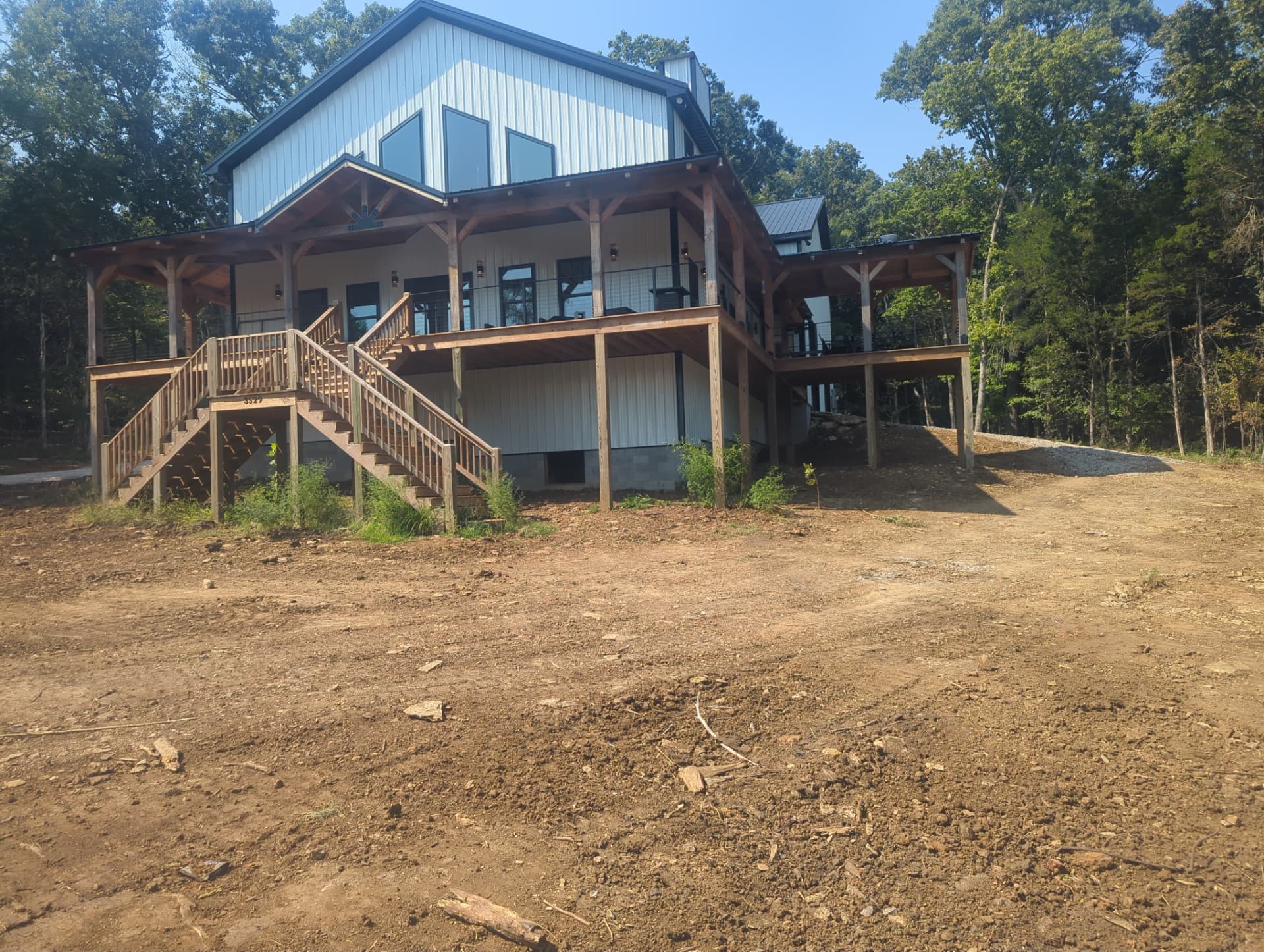
New-Home Subgrade, Drainage Grading & Driveway Improvement — Columbia, TN
Back-pitched new-construction grade corrected with onsite soil, a protected future greenhouse area, and a crusher run driveway.
View Project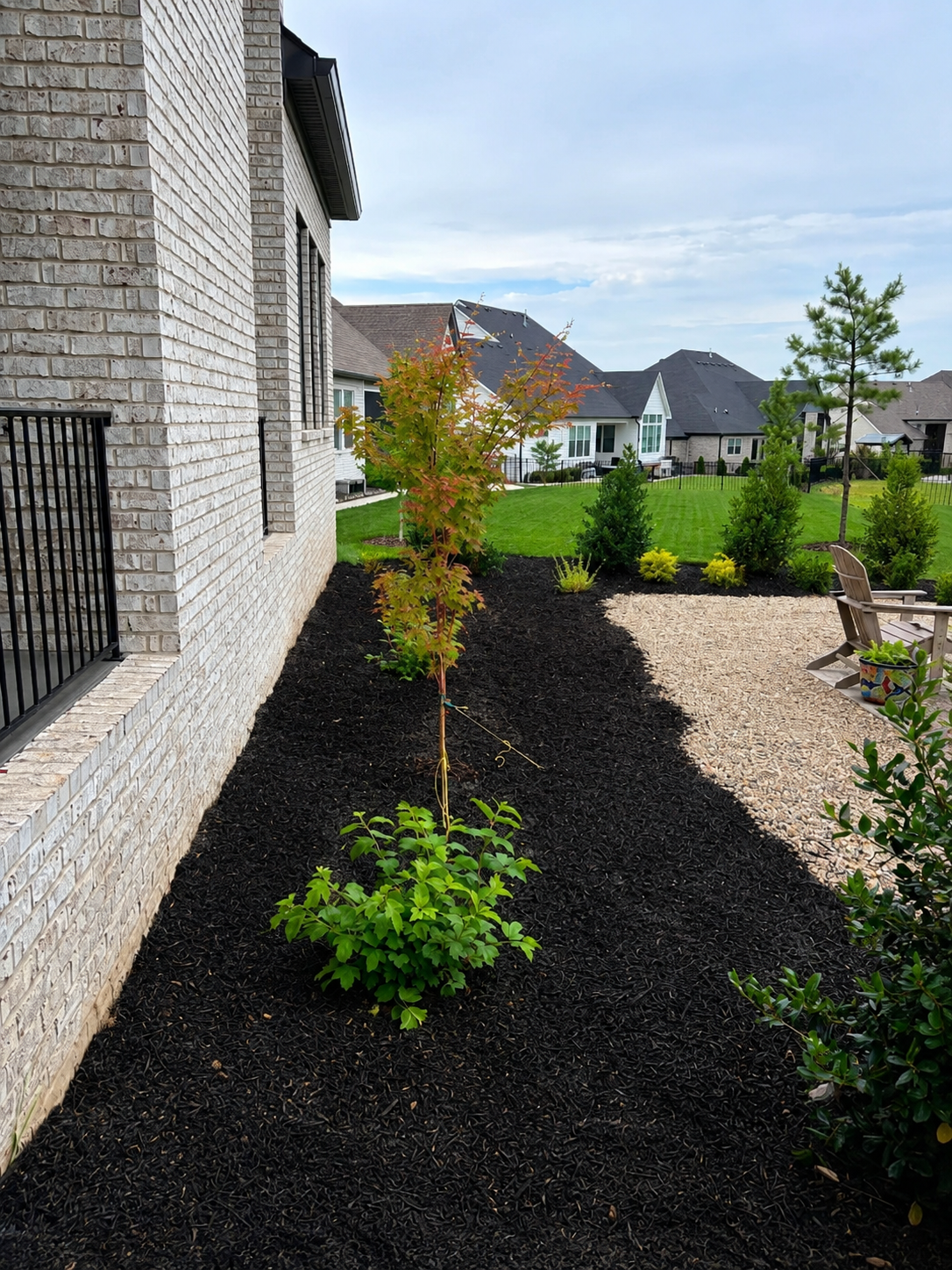
Franklin TN Drainage & Grading Project
Standing water solved with downspout extensions, regrading, and targeted French drains.
View Project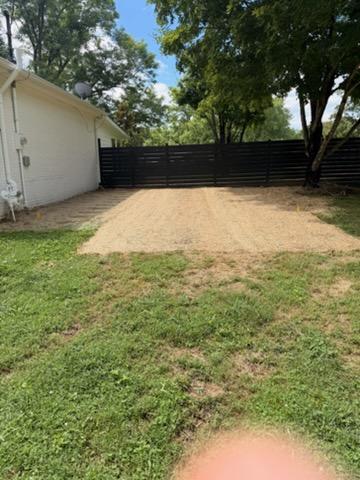
Williamson County Backyard Grading & Downspout Drainage Project
Negative grading and clogged buried downspouts corrected to keep water out of a basement.
View ProjectWhat We Do
Done Right The First Time.
Small Brush Clearing
Clear small brush, light vegetation, and debris to expose buildable ground.
Building Pad Preparation
Properly compacted, level pads for homes, garages, barns, and outbuildings.
House Pad Grading
Cut, fill, and shape pads to plan elevations with positive drainage away from the structure.
Drainage Planning
Build drainage into the site from day one instead of fixing it after move-in.
Utility Trenching Coordination
Excavation and trench prep so your licensed water, sewer, electric, and gas contractors can run their lines cleanly.
Haul In / Haul Off
Bring in fill or topsoil, haul off excess spoil, leave the site ready for the next trade.
Our Process
Simple. Honest. Thorough.
- 1
Site Walk & Plan Review
We walk the lot with you (and your plans if you have them) and identify the work that needs done.
- 2
Scoped Written Estimate
Detailed estimate of clearing, grading, pad prep, drainage, and any utility coordination.
- 3
Build-Ready Site
When we leave, the site is staked, graded, drained, and ready for footers, slab, or pier work.
Ready to break ground?
Why Cando
Neighbors Who Show Up.
- Family-owned and operated in Middle Tennessee
- Free, no-pressure on-site quotes
- Modern equipment — clean, careful work
- Clear communication from quote to clean-up
FAQ
Common Questions.
+What does residential site preparation include?
It depends on your project, but typically: small brush clearing, rough grading, building pad preparation, drainage planning, and trench prep so your licensed utility contractors can run their lines. We tailor scope to your build, whether it's a custom home, a garage, a barn, or an addition.
+Do you prepare house pads for new construction?
Yes. House pad grading is one of our most common projects. We cut and fill to plan elevations, compact in lifts, and shape positive drainage away from the foundation so water never works against the build.
+Can you coordinate with my builder or GC?
Absolutely. We work directly with general contractors and homeowner-builders. Clear communication is one of the things our clients call out most often.
+How long does site preparation take?
Most residential site prep jobs run 3–10 working days depending on lot size, tree coverage, fill needs, and weather. We'll give you a realistic timeline in writing up front.
+Are you licensed and insured?
Yes. CANDO LLC is fully licensed and insured in the state of Tennessee.
+What areas do you serve?
Columbia, Spring Hill, Franklin, Thompson's Station, Chapel Hill, Lewisburg, Santa Fe, and the surrounding Maury and Williamson County areas.
Still have questions?
Visit our Frequently Asked Questions page.
Residential Site Preparation Contractor in Middle Tennessee
Good site preparation is invisible once the build is done — but bad site prep shows up every storm for the life of the structure. I've been prepping sites in Middle Tennessee for more than 20 years, and the single biggest thing I've learned is this: elevation is everything. Where you set the pad, and how you slope the ground around it, decides whether the finished structure sits on stable, well-drained ground or fights water forever.
What I Look For First
Before I recommend a pad location or an elevation, I walk the whole lot. I want to know where the high point is, where the low point is, where the water naturally wants to go, and what's uphill of the build. I also look at existing trees I want to protect, existing drainage patterns I want to preserve, and any access constraints that will affect how equipment moves on the site. The plans tell me where the owner wants the building; the land tells me whether that's a good idea.
One thing I've noticed over the years is that the best building sites aren't always the obvious ones. The flat spot at the bottom of the lot often looks great until you realize it collects every drop of water from the property above. A slightly elevated spot with a natural fall away from it is almost always worth the extra fill.
Why Pad Elevation Matters More Than People Think
Once the slab is poured, the pad elevation is set for the life of the building. I like homeowners to understand that. Adding two inches of fill later is easy. Raising a finished foundation isn't. I always try to build in a little more elevation than the minimum — enough that the finish grade around the structure can slope away naturally without cutting the yard down to nothing. Water needs somewhere to go, and it has to start higher than everything around it if you want gravity to do the work for you.
Mistakes I Commonly See
Setting the pad too low because the site "looked flat enough." Skipping compaction in lifts and pouring on ground that will settle. Grading toward the structure to save fill. Cutting into a slope for a walkout without planning where the uphill runoff is going to go afterward. And the most expensive one: treating drainage as something to figure out after the concrete is done, instead of designing it into the site from day one. Fixing drainage after a build is finished costs multiples of what it costs to build it in during site prep.
Building Pads, House Pads, and Garage Sites
Pad preparation is where most of my site work lives. I cut and fill to plan elevations, place engineered fill in compacted lifts, and shape the pad with positive drainage away from the structure. Whether it's a full custom home pad, a detached garage, a barn, or a shop, the process is the same: do it right the first time so it doesn't have to be redone.
Clearing and Grading
Many lots come with small brush, old fence lines, and construction debris that has to come out before anything else can happen. I clear small brush, haul off, and rough-grade with modern equipment — and I keep disturbance to only the area we actually need. Mature trees are worth protecting when we can. Once a big oak is gone, it's gone, and it takes the shade, the character, and the root system with it. From there I move into the precision grading work covered on our grading solutions page. CANDO does not provide tree removal, stump grinding, or forestry services — for those I'll happily refer you to a licensed tree contractor.
Drainage Planning From Day One
Drainage isn't an afterthought on my sites — it's part of the original plan. I rough in swales, set finish-grade slopes that move water away from the structure, and stub in any subsurface drainage the project needs before the build closes it off. The cheapest time to solve a drainage problem is before it exists. See our drainage solutions page for the systems we install.
Utility Trenching Coordination
CANDO is an excavation contractor, not a utility contractor. I don't install water, sewer, electrical, gas, or communication lines. What I do is cut clean, properly sized trenches and coordinate with your licensed plumber, electrician, or utility contractor so their lines go in cleanly the first time and are properly backfilled afterward. Detailed trenching scope lives on our trenching page.
What Homeowners Can Do Themselves
Before you break ground, walk the lot after a hard rain. Note where water pools, where it runs, and where it exits the property. Take pictures. That information is gold when we sit down and lay out the pad and the drainage. If you're working with plans, bring them — but stay open to a small adjustment in pad location or elevation if the site tells us something the plans didn't anticipate. Every property is different.
When To Call Me
The best time to bring me out is early — before the plans are finalized, ideally. Once I can see the lot and know what you're trying to build, I can flag drainage issues, access issues, and pad elevation concerns while they're still cheap to solve. A one-hour walk-through in the planning stage saves a lot of expensive change orders later.
Construction Readiness
When I wrap up a site, it's truly ready for construction. Pads are staked and compacted, drainage is established, utility paths are open, and the access is clean. Your builder rolls in and gets to work — not into a mess that needs reworking.
Schedule a Site Preparation Consultation
Building in Middle Tennessee? Let's get the ground right before the framing starts. Call 931-442-5060 or request a free site preparation consultation. I'll walk the lot, talk through your plans, and put a clear written scope and timeline together.
Keep Exploring
Related Services
Keep Learning
Service Areas
Serving Homeowners Across Middle Tennessee
Also serving Thompson's Station, Chapel Hill, Lewisburg, and Santa Fe.
Learn Before You Dig
Stable Ground Starts With the Right Material
Building pads and prepped sites only hold up if the base beneath them is right. A homeowner guide to soil and aggregate choices before construction begins.