

Serving Maury County, TN
Drainage & Grading Solutions in Maury County, TN
Helping Maury County homeowners solve standing water, erosion, drainage, grading, driveway, and site preparation challenges.
Local Field Context
Different Properties. Different Water Paths.
Maury County includes rolling terrain, rural acreage, wooded slopes, long driveways, creeks and ditches, and growing residential development. Rock depth, slope, available drainage outlets, and property conditions can change dramatically from one site to the next.
Standing water in a yard, poor grading around a home, concentrated roof runoff, driveway erosion, and culvert or ditch problems may look similar at first, but they do not all need the same fix. On a hillside, delayed subsurface water moving along rock layers or seams may also contribute to persistent wetness.
Before recommending a drainage solution or a grading correction, I evaluate water movement, elevations, existing outlets, roof runoff, driveways and structures, rock and soil conditions, and equipment access. The property—not a broad claim about local soil—sets the plan.

Sound Familiar?
Common Problems We Solve in Maury County
- Standing water after heavy rain
- Erosion on sloped properties
- Poor yard drainage
- Water collecting near foundations
- Washed out driveways
- Improper grading around homes
- Drainage issues on new property purchases
What We Do
Services in Maury County
Why CANDO
Why Maury County Homeowners Choose CANDO
- 20+ years excavation experience
- Drainage-first approach
- Residential focused
- Clear communication
- Long-term solutions
- Local Middle Tennessee service
Recent Work
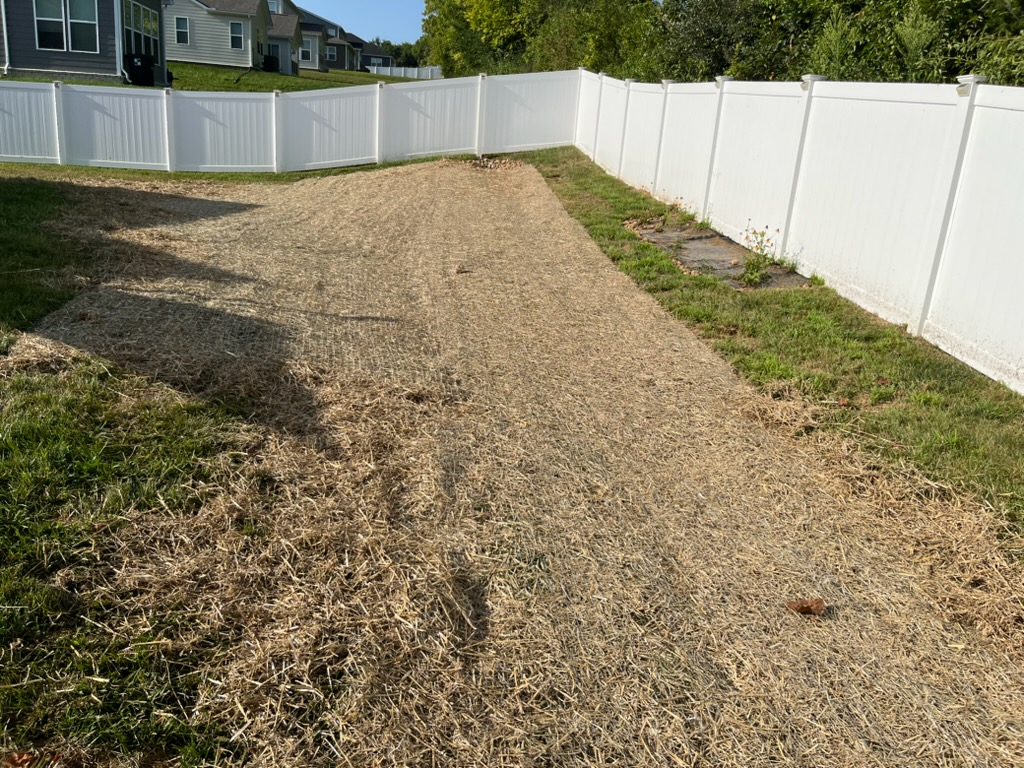
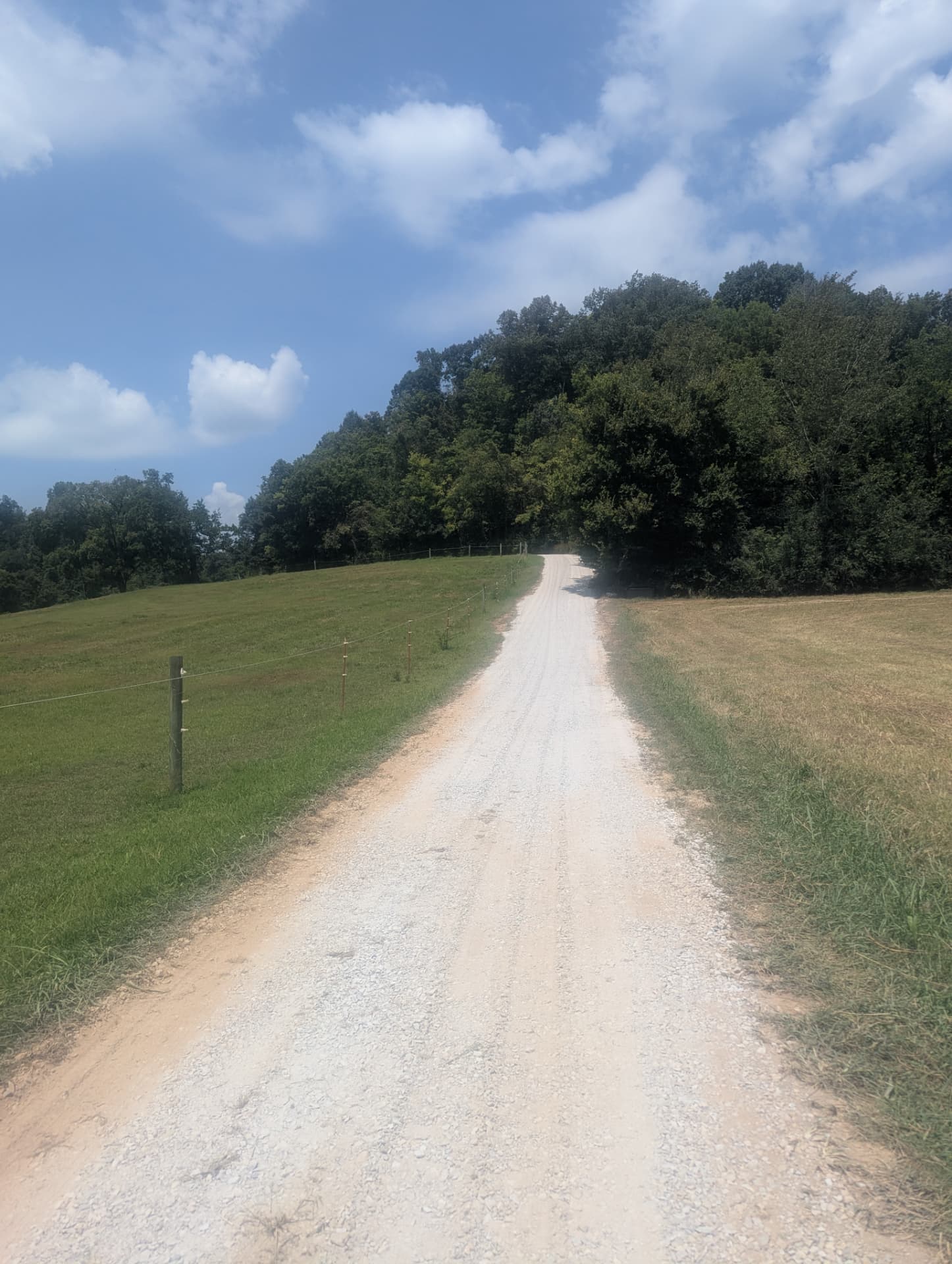
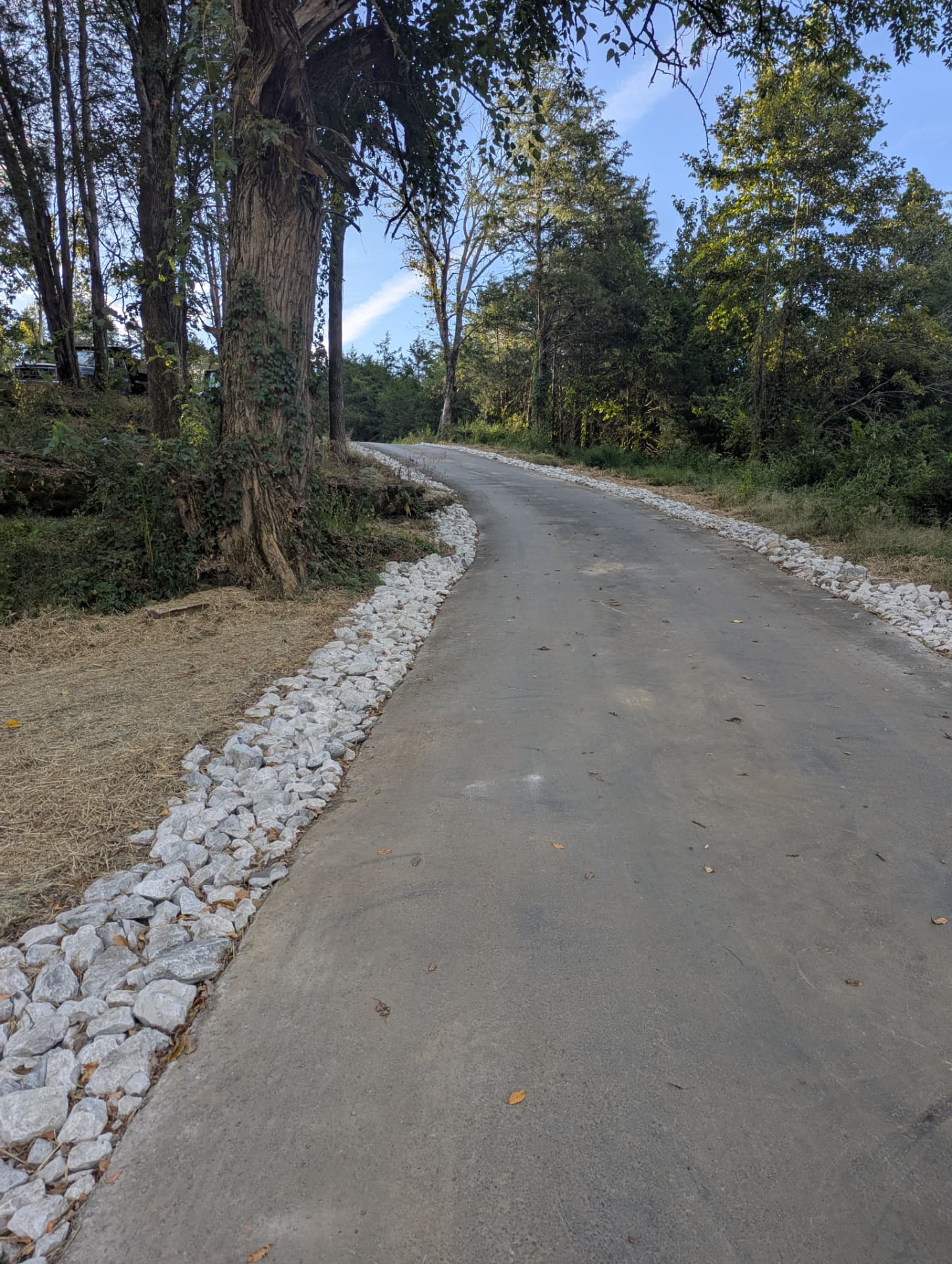
Real Drainage & Grading Work in Columbia / Maury County
Daniel Johnson's Field Approach
How I Evaluate a Maury County Drainage Problem
The first question is not which drain to install. It is how the whole property handles water. These checks help separate the source of a problem from the place where you notice it.
- 1.
Start with the source
I trace where water starts: rainfall on the lot, runoff arriving from uphill, or a wet area that persists after the surface has dried.
- 2.
Follow the grade
I check elevations and the path water takes around the home and other structures, looking for low spots, trapped water, and slopes that concentrate flow.
- 3.
Find a workable outlet
Before choosing a drain or changing the grade, I check where water can discharge safely and whether there is enough fall to get it there.
- 4.
Check roof runoff
Downspouts can put a large amount of water into one small area. I look at where they empty and how that flow joins the rest of the property's drainage.
- 5.
Read the driveway, culverts, and ditches
A long driveway can collect or redirect runoff. I check how its grade connects with roadside ditches and culverts, and where concentrated flow is causing erosion.
- 6.
Consider what is below the surface
Where hillside wetness or delayed seepage is present, rock layers or seams may be carrying subsurface water downslope. Rock depth and soil conditions need a site-specific look rather than an assumption about clay.
- 7.
Plan access and the actual work
I check equipment access, working room, slopes, and nearby structures. A drainage idea has to be practical to build on that property, especially where access is tight or difficult.
For a closer look at the decisions behind the work, read how to determine the right drainage solution, soil and aggregates before excavation, or grading for long-term drainage and access.
More For Maury County Homeowners
Keep Learning
Related Projects
Nearby Service Areas
Frequently Asked Questions
Answers to what Maury County homeowners ask most about drainage, grading, driveways, and site preparation.
About Maury County
Built For Maury County Properties
From rural acreage and wooded slopes to growing residential neighborhoods, Maury County properties need drainage plans that fit the ground in front of us.
I evaluate each site individually: how water arrives, where it can leave, and how the work can be completed around the home, driveway, and existing landscape. The goal is residential drainage and grading that work with the terrain, not a standard fix chosen from a county-wide assumption.